

Hemali Mehta • October 27, 2026

Visceral Manipulation

Your organs move about 20,000 times a day.

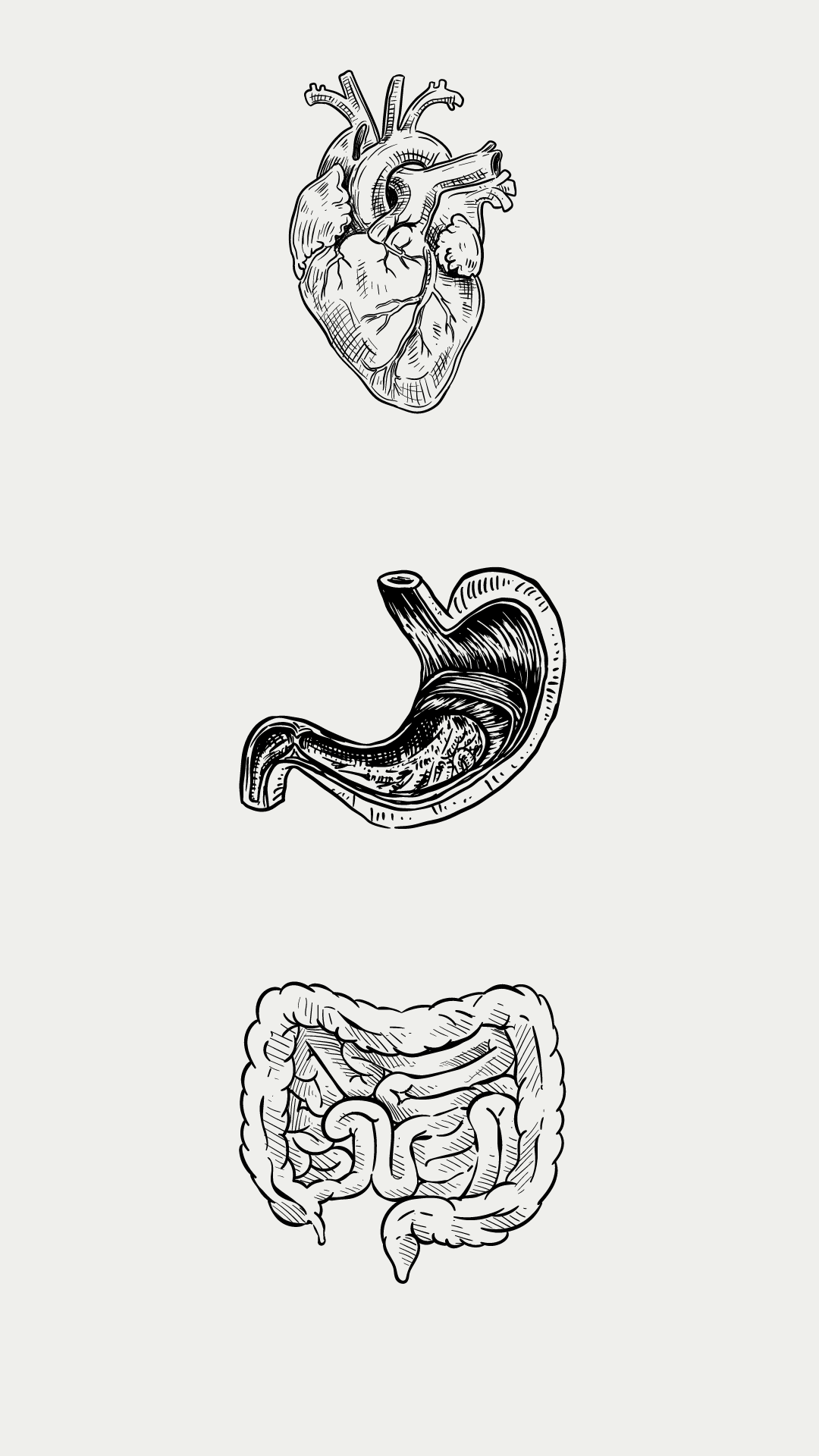
Every breath you take pushes your liver, stomach and intestines down, then lets them rise again. Every step shifts them. They are built to glide — against each other, against the diaphragm, against the spine. When they stop moving well, your back notices.


Surgery, scarring, inflammation, pregnancy or injury can tether that glide. And because your organs are anchored to the spine, ribs and pelvis, a restriction in front can pull on a structure behind. That is how a C-section scar ends up in a conversation about low back pain.

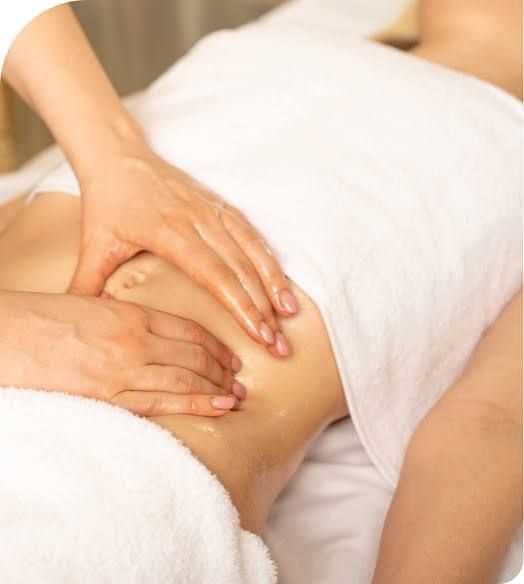
Visceral Manipulation is a gentle, hands-on method for finding those restrictions and easing them. Dr. Hemali Mehta, PT, is trained in Barral Visceral Manipulation and uses it alongside exercise and movement retraining at Prohuman Health.


Visceral Manipulation is a gentle, hands-on method for finding those restrictions and easing them. Dr. Hemali Mehta, PT, is trained in Barral Visceral Manipulation and uses it alongside exercise and movement retraining at Prohuman Health.


The method rests on two ideas. Organs need mobility — the ability to slide as you breathe and move. And the connective tissue that holds them in place behaves like any other fascia: it can tighten, thicken and pull.

Who it can help?


  • Low back or pelvic pain that comes with digestive symptoms
  • Pain or pulling around C-section, laparoscopy or abdominal surgery scars
  • Bloating and constipation, alongside medical care
  • Postpartum recovery, including abdominal separation (diastasis recti)
  • Pelvic floor issues, alongside pelvic floor training Rib, shoulder or neck pain that hasn't responded to standard treatment
Get in touch

What your Session
Looks Like

Sessions last 45–60 minutes. You stay clothed and lie comfortably throughout.

A detailed history

Surgeries, pregnancies, digestion, old falls. In visceral work, this history often holds the answer.


Movement testing

We find which movements reproduce your pain. That becomes the baseline we retest against

"Listening" assessment

A light hand on your body to feel where the tissue pulls. Precise, quiet work — the part that surprises most people.

Treatment

Gentle, specific pressure on the abdomen, ribcage or pelvis. A slow stretch, warmth, or a gurgle is normal — a good sign the gut is responding. Breathing and movement exercises to hold the change between sessions.

Every Visit is
re-tested

Your progress is tracked, if no progress we refer you on.

1 session

is often enough to feel a change in movement, breathing or pain.

3-5 sessions

one or two weeks apart for lasting change

How to prepare?


  • Eat light. Avoid a heavy meal in the two hours before your session.
  • Use the restroom just before you start.
  • Wear comfortable clothing. A loose top and stretchable trousers. We always ask before working directly on the abdomen.
  • Bring your reports — scans, surgical notes and a list of your medications.
  • Tell us about any surgeries, scars, pregnancy, IUD or recent illness.
  • Make a timeline. Surgeries, births, injuries and when your symptoms began. Patterns often show up on paper.

After your session


  • Drink water and eat light meals for the rest of the day.
  • Expect your gut to talk. Changes in digestion or appetite over a day or two are common, and settle on their own.
  • Move gently. A walk helps. Save intense training for the next day.
  • Notice changes in pain, movement, digestion and sleep. Bring notes to your next visit.
  • Do your exercises. Hands-on work opens a window. Breathing and movement keep it open.

When it isn't the right choice

We won't treat, or will wait for medical clearance, if you have:


  • Sudden or severe abdominal pain
  • Fever or an active infection
  • Abdominal or pelvic surgery in the last 6–8 weeks
  • A suspected or recent blood clot (DVT)
  • Active cancer without clearance from your oncologist
  • Pregnancy — tell us, so we can adapt or postpone


See a doctor first if you have blood in your stool, unexplained weight loss, persistent vomiting, or pain that wakes you at night.

Frequently Asked Questions

Here are some common questions about visceral manipulation. If you have more inquiries, feel free to reach out!

  • Does it hurt?

    No. Visceral work is gentle. If anything feels sharp, tell us and we'll stop or adjust. As I go into the deeper layers it can get a little painful if there are restrictions but the treatment dosage can be modified to your pain tolerance

  • Why are you working on my stomach when my back hurts?

    Because your organs attach to your spine and pelvis. A restriction in front can pull behind. We test before and after, so you'll see whether it made a difference.

  • Is it a massage?

    Not really. Massage works broadly on muscles. Visceral work is slow, light and specific, guided by assessment and checked by retesting on visceral organs and fascia.

  • Can I combine it with my other treatment?

    Yes. It works alongside exercise, pelvic floor training and medical care. Keep taking your medications as prescribed

  • Do I need a doctor's referral?

    No. If we find anything that needs medical attention, we'll refer you to the right specialist.

Blog Posts

prehabilitation physiotherapy Mumbai · ACL prehab · prehab before knee replacement · exercise before
By Hemali Mehta • October 27, 2026
Strength lost before surgery is hard to win back after it. A Mumbai physio explains what prehab does, who benefits, and when to start.