Hemali Mehta • October 27, 2026

Your Surgery Starts Before the Surgery

One month after a knee replacement, the thigh muscle has lost about 60% of its strength. Most of that loss isn't from the scalpel. It's the nervous system switching the muscle off to protect the joint.You can't stop that switch from flipping. You can decide how strong the muscle is when it does.

That is prehab. Training for surgery the way an athlete trains for a match.

First, take a breath

Being told you need surgery is a lot to take in. Most people jump straight to worrying about pain, time off work, and whether life will feel normal again.


Take a moment. Then take an active role. 


When you meet your surgeon, ask two questions:

1. How will pain be managed after surgery?

2. What is a realistic recovery timeline for someone like me?


Read up on the procedure too. Patients who know what to expect recover with less fear — and fear is one of the biggest brakes on early movement.

Then, do your prep

Your surgeon prepares for the operation. Your body should prepare too.

Prehab means strengthening and activating the muscles that will be affected by surgery, before the surgery. It also means rehearsing the exact exercises you'll do afterwards, while you're pain-free and can learn them properly.

The evidence is now strong. A 2026 meta-analysis in the Journal of the American College of Surgeons pooled 23 randomised trials with over 2,000 patients. Exercise or nutrition-based prehab cut the odds of post-operative complications roughly in half and shortened hospital stays.

The size of the benefit depends on the surgery. It is largest in major operations such as lung and abdominal surgery, and in procedures where strength decides the outcome, such as ACL reconstruction.For ACL patients, the long-term data is especially clear. In the Delaware-Oslo cohort, 72% of patients who completed extended prehab were back to their pre-injury sport at two years, compared with 63% who weren't.

Prehab is also one building block of ERAS — Enhanced Recovery After Surgery — the multidisciplinary pathway surgeons use to reduce surgical stress and speed recovery.

Prehabilitation is useful for major elective surgeries such as

ACL, PCL, Shoulder Labrum, Meniscal, Spine Surgeries

Some out of the many surgeries that benefit from a proper Prehab program. From many researches done it is noted that 4-6 weeks of prehabilitation can improve early to mid-term strength and motion and can improve the timing and odds of a patient returning to sport.1


C-section, Appendix, Laproscopy

For any abdominal surgery even if it's a Laproscopic repair, removal for Gall bladder, Kidneys, Appendix or any other issue pertaining to the abdomen the core muscle which provides spinal stability is cut and has to recover. A strong core muscle prior to surgery reduces the risk of back pain and other pelvic floor issues years after surgery. Research shows that prehab for Colorectal & Urological helps lower complication rates and shorten hospital stays

Cardiac Bypass, Stenting

Any chest surgery or dysfunction of the lung and heart massively affects breathing and endurance of the person. Research suggests that Prehab enhances cardiopulmonary reserve and respiratory muscle function before lung cancer procedures helping in faster recovery 

Every programme is tailored to the surgery, your fitness level and your timeline.

When should you start?

Ideally 2–6 weeks before surgery, depending on how much time you have between diagnosis and the operation date.

Short on time? Start anyway. Even one or two sessions set a strength baseline and teach you your first post-op exercises. Day one after surgery is a terrible day to learn something new.


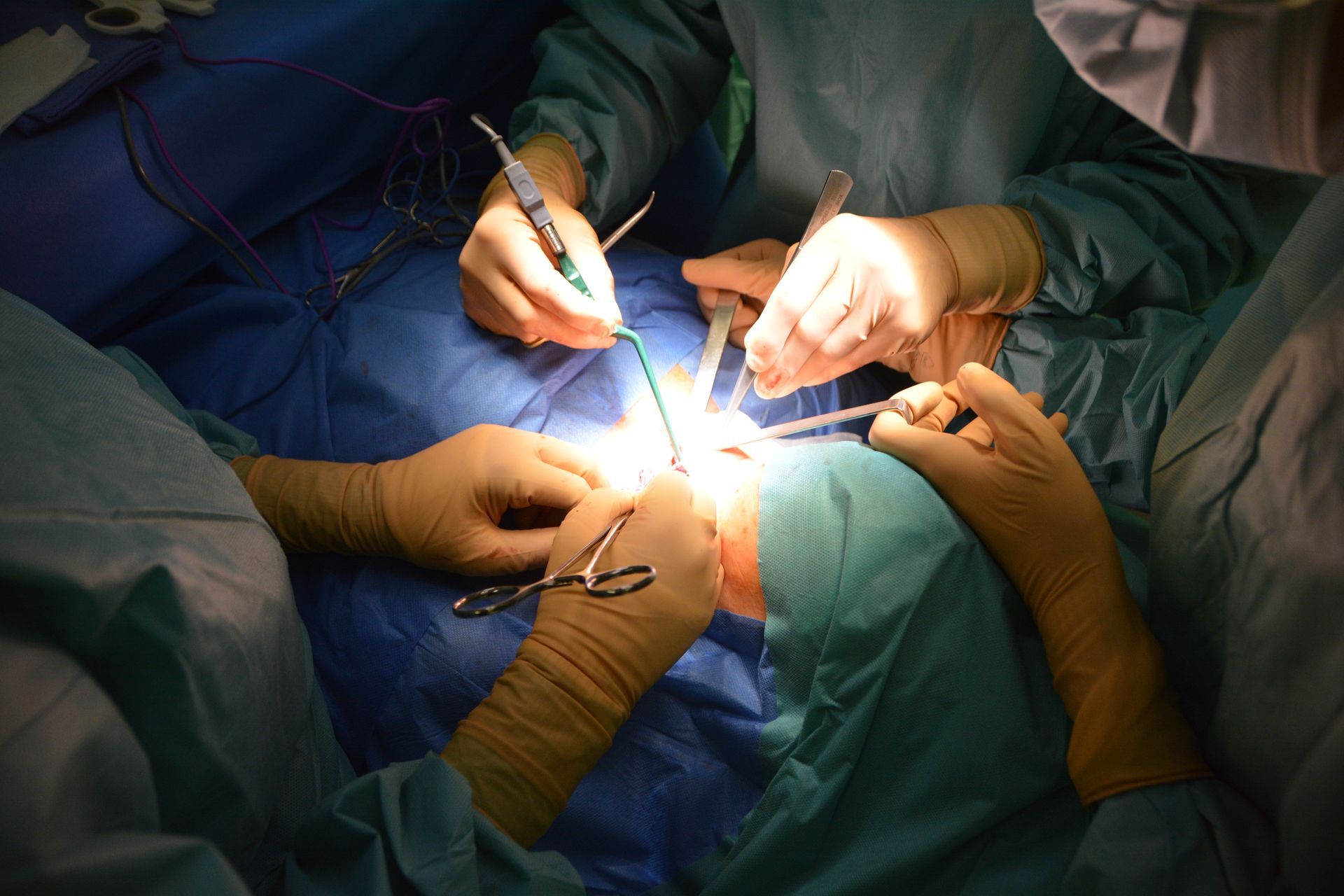
For surgeons

We work to your protocol, not around it. Every prehab patient gets a baseline assessment — strength, range of motion and function — which we share with you before the operation. After surgery, the patient arrives already knowing their exercises, and we send progress reports at agreed milestones. To refer a patient or discuss a case, Get in Touch

01

Does your Surgery qualify for Prehab

This is something we assess once you come in and only after a discussion with your surgeon the plan goes ahead

02

Will the Prehab make my condition worse?

No. That is exactly why the programme is built around your specific condition and limits. We load what is safe to load.

03

How much time does it take?

It depends on your surgery and fitness background. Sessions range from every 3 days to every 15 days, plus a short home programme.

04

What if I don't have enough time before surgery?

Even a single session helps. You'll learn what your first weeks of recovery look like and which exercises you'll start with. When the unknown becomes known, recovery is simpler and less stressful.

"We mostly fear the unknown."

Know your prehab, your surgery, your timelines and recover faster.


This article is for education and does not replace advice from your surgeon or physiotherapist.